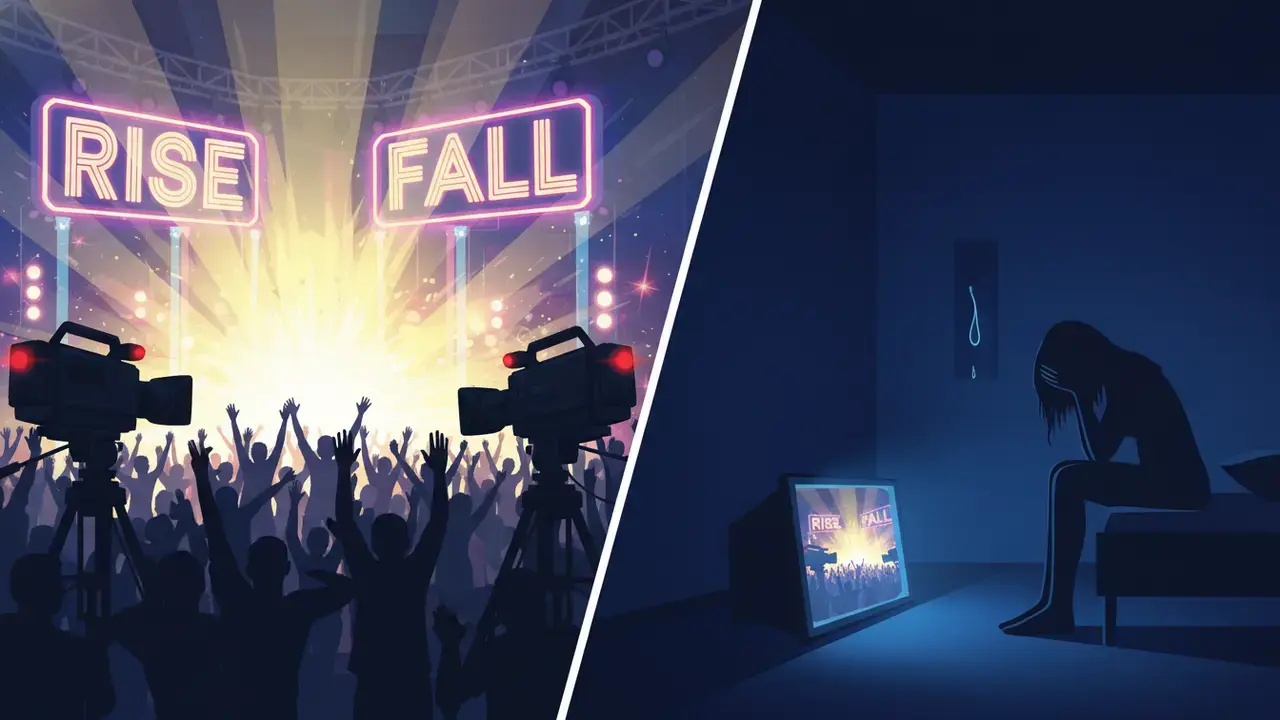
Ever wonder what happens after the cameras stop rolling on those intense reality shows? You see the drama, the fights, the tears. But what’s the real cost for the people living it? For actress Aahana Kumra, her time on “Rise and Fall” wasn’t just a game. It was an emotionally intense journey that left her calling for major changes.
Look, Aahana knew what she was getting into. Sort of. She was initially apprehensive about joining a captive reality show but agreed to a six-week commitment. What she found was a pressure cooker. She described the dynamics as unnerving, especially with seasoned contestants who knew exactly how to create drama for the cameras.
She said the experience tested her resilience to its limits, leading to moments where she would wake up in the middle of the night just crying. It wasn’t just a fleeting feeling, either. The emotional impact stuck with her long after her time on the show ended.
When Entertainment Gets Too Real
Here’s the thing. It’s one thing to have arguments and confrontations, which she definitely did with contestants like Bali, Dhanashree Verma, and Kubbra Sait. She felt like she was constantly being labeled and name-called. But things crossed a serious line.
Aahana revealed something truly shocking. In a moment of vulnerability, her anxiety medication was mocked on the show. Yeah, you read that right. She found it deeply insensitive and a glaring sign of the lack of mental health awareness in 2025. Imagine having your personal health struggles turned into a punchline for entertainment.
You might also like

अर्जुन बिजलानी ने जीता ‘राइज एंड फॉल’, लिए ₹28.10 लाख; नेट वर्थ ₹30-50 करोड़ पहुंची
Arjun Bijlani Wins ‘Rise and Fall’, Takes ₹28.10 Lakh; Net Worth Hits ₹30-50 Crore

अर्जुन बिजलानी ने Rise and Fall में जीते ₹28.10 लाख; होस्ट की पत्नी को लेकर फैंस बोले ‘स्क्रिप्टेड’
Arjun Bijlani Wins ₹28.10 Lakh on Rise and Fall; Fans Cry ‘Scripted’ Over Host’s Wife
Rise and Fall फिनाले की TRP 1.3 तक पहुंचेगी; पवन सिंह की वापसी Bigg Boss 19 को देगी टक्कर
Rise and Fall Finale TRP to Hit 1.3; Pawan Singh’s Return Takes on Bigg Boss 19

किकू शारदा ने आदित्य नारायण की तारीफ की, पर Rise and Fall से बाहर होने के बाद ‘मानवता’ की कमी का आरोप लगाया
It’s just not okay.
This Isn’t a One-Off Problem
And honestly, this isn’t just about “Rise and Fall.” It’s a pattern in the reality TV world. A star from “Married at First Sight UK” recently claimed that producers manipulated scenes to stir up drama. The result? He faced death threats from viewers and serious harm to his mental health, all because of clever editing.
This has been a growing conversation for years. You’ve got people like Olivia Attwood and Chris Hughes from “Love Island” who have become huge advocates for mental health after their own experiences on screen. They know firsthand how brutal the environment can be.
The ethics of reality TV are seriously being questioned. Are contestants just pawns in a game for ratings? It often seems like producers prioritize explosive entertainment over the actual welfare of the participants.
So what’s the solution? Aahana Kumra has a clear suggestion: makers of these captive reality shows should provide mandatory post-show therapy. It’s a simple, direct call to action to protect the people who make these shows possible.
What do you think? Is it the producers’ responsibility to offer mental health support after a show wraps? Let us know.